
Ever scrolled through social media and felt like everyone is speaking a different language? One moment it’s “rizz,” next it’s “sigma,” and suddenly you’re wondering what any of it actually means. That’s usually when people start searching for Gen Z Meaning, trying to make sense of all the slang and trends that seem to change overnight.
In this post, you’ll get a clear and simple breakdown of Gen Z Meaning along with age range, traits, and how this generation is shaping modern culture. We’ll also explore their values, online behavior, and why they matter so much in 2026. By the end, everything will feel a lot less confusing and much more relatable.
What is Generation Z?
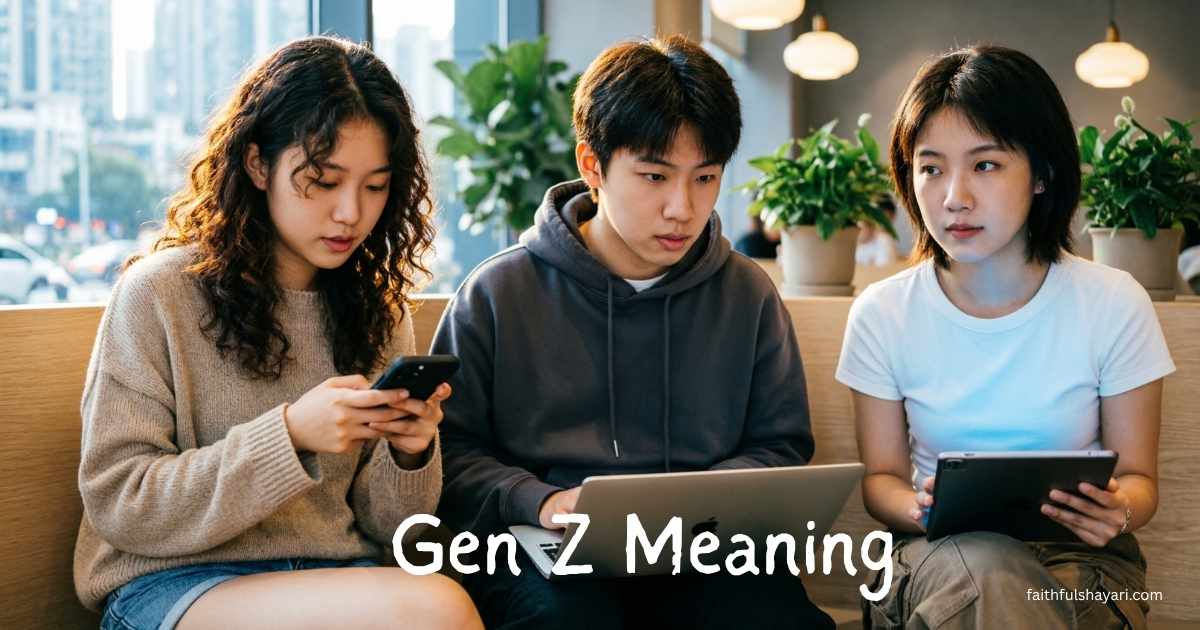
Generation Z refers to the group of people born roughly between the mid-1990s and early 2010s. They grew up in a fully digital world where smartphones, social media, and the internet were already part of daily life. This makes them very different from earlier generations in how they think and live.
This generation is often called tech-savvy, expressive, and highly aware of global issues. They communicate through memes, short videos, and online trends. Gen Z values individuality and authenticity, and they prefer fast, visual communication. Their mindset is shaped by constant connectivity and rapid access to information around the world.
Demographics of Generation Z

Generation Z makes up a large part of the global population today. Most of them are currently teenagers or young adults. They are spread across cities and rural areas, with a strong presence in online spaces. Their population is diverse in culture, background, and lifestyle, especially in developing countries.
This generation is entering education, jobs, and digital entrepreneurship at the same time. Many Gen Z individuals are still in school or college, while others are already working or freelancing. They are the most connected generation globally, with internet access shaping how they learn, communicate, and make career choices.
Generation Z Age Range in 2026
Generation Z includes people born roughly between 1997 and 2012. In 2026, this means their ages mostly fall between about 14 and 29 years old. They are currently in very different life stages, from early teens in school to young adults starting careers or higher education.
This wide age range explains why Gen Z is so diverse in behavior and interests. Younger Gen Z is still shaping identity, while older Gen Z is focused on jobs and independence. Despite differences, they share similar digital habits and a strong connection to online culture, trends, and social media platforms.
Key Characteristics of Generation Z
Generation Z has a unique personality shaped by technology, fast communication, and global awareness. They are creative, expressive, and prefer digital platforms for learning, entertainment, and connecting with others in everyday life.
- Tech-savvy from early age
- Prefers short and visual content
- Values honesty and realness
- Strong social media presence
- Quick learners in digital spaces
- Interested in global issues
- Likes flexible work style
- Expresses opinions openly online
- Follows fast-changing trends
- Highly independent thinkers
Generation Z and Technology
Generation Z and technology are deeply connected, as this generation grew up with smartphones, social media, and constant internet access. Their understanding of Gen Z Meaning is often linked to how naturally they adapt to digital tools in everyday life.
From early childhood, Gen Z has been surrounded by rapid technological change. This has shaped how they learn, communicate, and even think. The interpretation may vary depending on the situation.
- Gen Z uses technology for education, entertainment, and work, often switching between multiple apps at once
- They prefer digital communication like messaging, video calls, and social media over traditional methods
- Many develop strong digital skills early, making them comfortable with online tools and platforms
- Technology also brings challenges such as screen addiction, distraction, and reduced face-to-face interaction
- Despite drawbacks, it helps them stay connected globally and access information instantly
What are Gen Z’s values?
Gen Z values honesty, individuality, and real-life authenticity in everything they do. They prefer people and brands that feel genuine instead of fake or overly polished. Many also care about equality, freedom of expression, and making choices that reflect their personal identity and beliefs in everyday life.
They also value mental health, work-life balance, and social awareness. Gen Z supports causes like climate change, inclusivity, and fairness. They are more open to different cultures and lifestyles. Instead of following traditional rules, they focus on what feels meaningful and true to their own experiences and personal growth.
Gen Z Faces Mental Health Challenges
Mental health is becoming one of the biggest concerns for Gen Z today. While they are the most connected generation, many still feel overwhelmed, stressed, and emotionally drained in daily life. This creates a growing need to understand Gen Z mental health challenges in a simple and honest way.
Gen Z faces mental health challenges due to constant pressure, comparison culture, and nonstop digital exposure. Even though they look confident online, many struggle silently behind screens. The idea of Gen Z Meaning is often linked with this fast-moving digital lifestyle that rarely gives the mind a break.
Key Mental Health Challenges
- Constant social media comparison
Gen Z often compares their real life with the highlight reels of others. This can lead to anxiety, low confidence, and feeling “not enough,” even when they are doing fine in reality. - Pressure to succeed early in life
Many young people feel forced to achieve success quickly in studies, careers, or personal goals. This pressure often creates stress and fear of failure at a very early age. - Overexposure to negative content
Social media and news platforms constantly show disturbing or stressful content. Seeing too much negativity can increase anxiety and affect overall mood and mindset. - Digital addiction and screen fatigue
Spending too much time online can disturb sleep patterns, focus, and real-life relationships. Even when they try to disconnect, habits and notifications pull them back in. - Lack of real emotional support
Even though Gen Z is highly connected online, many still feel lonely. Digital chats cannot fully replace real emotional conversations and support systems.
In short, Gen Z is not weak—they are simply growing up in a highly digital and high-pressure world. With balance, awareness, and real support, these challenges can be managed in a healthier way.
What does social media have to do with Gen Z’s mental health crisis?
Social media plays a major role in Gen Z mental health because it shapes how they think, compare, and connect every day. When we talk about Gen Z Meaning, it often includes their deep relationship with platforms like Instagram, TikTok, and Snapchat.
This connection is powerful but also complicated. Social media gives Gen Z a voice, but it can also increase stress and emotional pressure. The interpretation may vary depending on the situation.
- Creates constant comparison culture
Gen Z often compares their real life with curated online posts. This can lower self-esteem and create unrealistic expectations about success, beauty, and lifestyle. - Builds both connection and isolation
Social media helps young people stay connected globally, but too much screen time can reduce real-life interaction and increase feelings of loneliness. - Boosts awareness but increases anxiety
It spreads mental health awareness and useful information quickly. At the same time, nonstop exposure to negative news or opinions can raise stress levels. - Encourages validation-seeking behavior
Likes, comments, and shares often become a measure of self-worth. This can make emotions dependent on online approval rather than real confidence. - Provides creativity and support spaces
On the positive side, Gen Z also uses platforms to express creativity, find communities, and talk openly about mental health struggles, which was less common before.
Overall, social media is both a tool and a challenge for Gen Z mental health. Its impact depends on how it is used, balanced, and understood in daily life.
How are Gen Zers different from millennials?
Gen Zers are different from millennials mainly in how they grew up with technology. Gen Z has never known a world without smartphones and social media, while millennials experienced the shift from offline to online life. This shapes how they think, communicate, and solve problems in everyday situations.
Gen Z also tends to be more independent, fast-paced, and visually oriented in communication. They prefer short videos, memes, and instant messaging, while millennials often enjoy longer content and structured communication. Their views on work, identity, and social issues also differ, making each generation unique in its own way.
Why Gen Z Matters for Businesses in 2026

Gen Z matters for businesses in 2026 because they are becoming one of the largest consumer groups in the world. Their spending power is growing fast as they enter jobs and higher education. Understanding Gen Z Meaning helps brands connect with their preferences, habits, and digital-first lifestyle.
This generation strongly influences trends, online culture, and buying decisions through social media. Businesses that understand Gen Z can create better marketing strategies and products. The interpretation may vary depending on the situation, but one thing is clear—they expect authenticity, speed, and real value from every brand interaction.
Resilience Meaning: Definition, Importance, and Examples
FAQs
What does Gen Z Meaning refer to?
Gen Z refers to people born between mid-1990s and early 2010s, shaped by digital technology, social media, and modern fast communication culture.
Which age group belongs to Gen Z?
Gen Z includes teenagers and young adults, roughly ages 14 to 29 in 2026, studying, working, or starting independent life journeys.
How is Gen Z Meaning connected with internet culture?
Gen Z is influenced by memes, trends, and short-form content, using digital platforms to communicate quickly and adapt to online culture.
What values are linked with Gen Z Meaning?
Gen Z values authenticity, equality, individuality, and mental health awareness, preferring honest expression and meaningful connections over traditional social expectations.
How does Gen Z Meaning affect communication style?
Gen Z communication is short, visual, and direct, relying on emojis, memes, and quick messages instead of long formal explanations.
Conclusion
In conclusion, understanding Gen Z Meaning helps you see how this generation thinks, behaves, and connects with the world today. Gen Z Meaning is not just about age, it is about digital habits, values, and fast communication styles. When we talk about Gen Z Meaning, we also talk about social media influence, modern culture, and changing lifestyles. This generation is shaping trends in a powerful way, and Gen Z Meaning explains their unique identity in a simple way.
Overall, Gen Z Meaning shows how technology has changed human behavior. It reflects their focus on authenticity, creativity, and individuality. By learning Gen Z Meaning, you better understand their choices and mindset. This knowledge helps in education, business, and daily interaction. In the end, Gen Z Meaning is about more than a label. It is about a generation that is redefining how the world communicates and grows together.
